
Who Makes Easy-Dressing Clothes? A Guide to Adaptive Clothing Brands
October 12, 2026 · 5 min read
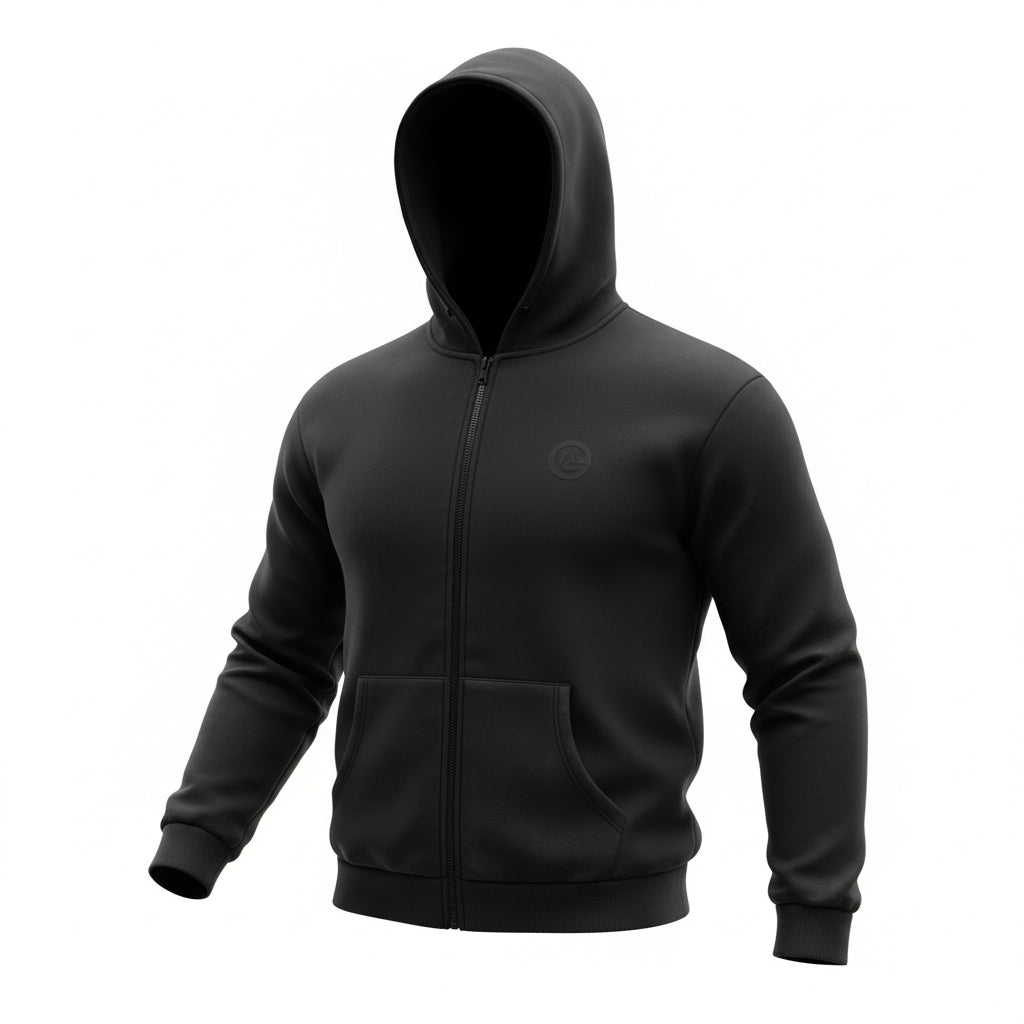
Short answer: the main adaptive clothing brands today are big retailers with easy-dressing lines (Tommy Hilfiger Adaptive, Target, Kohl's, JCPenney, Zappos Adaptive) and smaller specialists (Silvert's, IZ Adaptive, MagnaReady, Buck & Buck, No Limbits, Slick Chicks). Most of them solve dressing with magnets, hook-and-loop, side openings, or seated cuts. Very few fix the hardest step on a jacket: starting the zipper. That is where a magnetic zipper like MagZip® fits.
We make zippers, so we spend a lot of time looking at this market. Here is what we found, in plain terms.
How big the market is
Grand View Research puts the global adaptive clothing market at about $1.5 billion in 2025. It expects roughly $2.7 billion by 2033, growing a little over 7% a year.
The demand side is much bigger than those sales numbers. The CDC reports that more than 1 in 4 U.S. adults live with a disability. Add parents of young kids, older adults, people with a short-term injury, and caregivers who dress someone else every day. That is a very large group of people who would like getting dressed to take less effort.
The gap between how many people want easier clothing and how much of it gets sold tells you something. Supply is still small, and most of it is hard to find.
The adaptive clothing brands to know
We sorted the field into two groups.
Large brands and retailers with an easy-dressing line:
- Tommy Hilfiger Adaptive. The best-known name. Magnetic closures, easy-open necklines, and adjustable hems on mainstream styles.
- Target. Easy-dressing pieces inside its kids' and adult lines. Side openings, sensory-friendly fabrics, and simpler fastenings.
- Kohl's and JCPenney. Adaptive collections across kids' and adult sizes, including easy-on clothing and modified basics.
- Zappos Adaptive. A storefront that gathers easy-on shoes and clothing from many brands in one place.
- Nike FlyEase. Shoes you can step into without using your hands.
Specialists built around one need:
- Silvert's. A long-running catalog of tops, pants, and nightwear for older adults and caregivers.
- IZ Adaptive. Cuts designed for people who spend the day seated.
- MagnaReady. Dress shirts with magnetic buttons in place of regular buttons.
- Buck & Buck. Hook-and-loop and other easy closures, aimed at caregivers.
- No Limbits. Clothing that works with braces, prosthetics, and limb differences.
- Slick Chicks. Underwear and loungewear with side closures.
What they offer, and how they do it
Across all these brands, the same five tools show up again and again.
- Magnets. Magnetic buttons or magnetic strips behind a placket. Fast to close, and they look normal.
- Hook-and-loop. Cheap and easy. It wears out, picks up lint, and makes noise.
- Side and back openings. Helpful for seated dressing and for caregivers.
- Seated and adjustable cuts. Higher back rise, shorter front, adjustable hems.
- Sensory-friendly materials. Flat seams, no tags, soft fabric.
These are good ideas. But notice what is missing: the separating zipper. Most of the market avoids it by swapping in a different closure.
The gap: the bottom of the zipper
Jackets, hoodies, vests, and coats almost all use a separating zipper. To start one, you hold one side steady and seat a small pin into a small box at the bottom, with both halves level. It takes two steady hands and good eyesight. If one hand is busy, stiff, or shaky, it does not happen.
Brands usually work around this in one of three ways. They use hook-and-loop, which does not block wind. They use magnetic snaps, which can pop open. Or they skip the jacket. The person ends up with a short list of approved outerwear, and their favorite coat stays in the closet.
Price is the other gap. Easy-dressing outerwear often costs well over $100, and the range of sizes and colors is small.
How magnetic zippers help
A magnetic zipper keeps everything people like about a zipper and removes the hard part. MagZip® is a real coil separating zipper with a patented magnetic base. Bring the two halves close and the magnets pull them together and line them up. Then you pull the slider up with one hand.

The zipper still seals against wind. It still looks like a normal jacket. Nothing about it says "special clothing." MagZip launched with Under Armour and has been on major brands since, including Tommy Hilfiger and Lululemon.
There are three ways to get it:
- Built in. Our FREEDOM Hoodie and kids' hoodies ship with MagZip already sewn in.
- Added to a jacket you own. ZipperBuddy zips onto your jacket's existing zipper in about 10 minutes, with no sewing, and puts a MagZip in the middle.
- Sewn into anything. Buy MagZip zippers by size and have a tailor put one in.

For brands, this is the opening. Magnetic zippers let a label add easy dressing to the jackets it already makes, with no new line and no different look. If you run a brand, see MagZip for brands.
Quick questions
Are adaptive clothing brands only for people with a disability?
No. Easy-dressing clothes help young kids, older adults, anyone with a busy hand, and anyone who dresses someone else.
Is a magnetic zipper strong enough for a coat?
Yes. The magnets only line up the base. Once the slider is pulled up, it is a regular zipper and holds like one.
Do I need a new jacket to get a magnetic zipper?
No. ZipperBuddy adds one to most jackets with a #5 plastic-tooth separating zipper.
The bottom line
The market for easier clothing is growing, and the big names have made it normal. The part still left unsolved is the zipper on a jacket. Gear that gets out of your way should close with one hand.
MagZip’s magnetic base lines the zipper up for you. Sew one in, zip one into a jacket, or wear it built in.